Home
About Us
Product Showcase
News
Engineering Cases
Service Support
Solutions
Talent Recruitment
SOYO Mall
Contact Us
Leave a message
Language:en

The seminar on the integration of museum digital transformation and smart education was successfully held, and Guobiao and industry experts explored new paths for smart cultural tourism together.
Summary : On August 25, 2024, the seminar on museum digital transformation and smart education integration, co-hosted by Guobiao Wireless Technology Group and Guangdong Hongwei International Exhibition Group, organized by Shenzhen Guobiao Culture Technology Co., Ltd., and co-organized by Peking University Innovation and Entrepreneurship Center, was successfully held at the 10th Expo in the Cichuan Convention Center, Hohhot, Inner Mongolia.
2024-08-30
On August 25, 2024, the Seminar on Museum Digital Transformation and Smart Education Integration, co-hosted by Guanbiao Wireless Technology Group and Guangdong Hongwei International Exhibition Group Co., Ltd., organized by Shenzhen Guanbiao Cultural Technology Co., Ltd., and co-organized by Peking University Innovation and Entrepreneurship Center, was successfully held at the 10th Expo at the Cichuan Conference Center in Hohhot, Inner Mongolia.
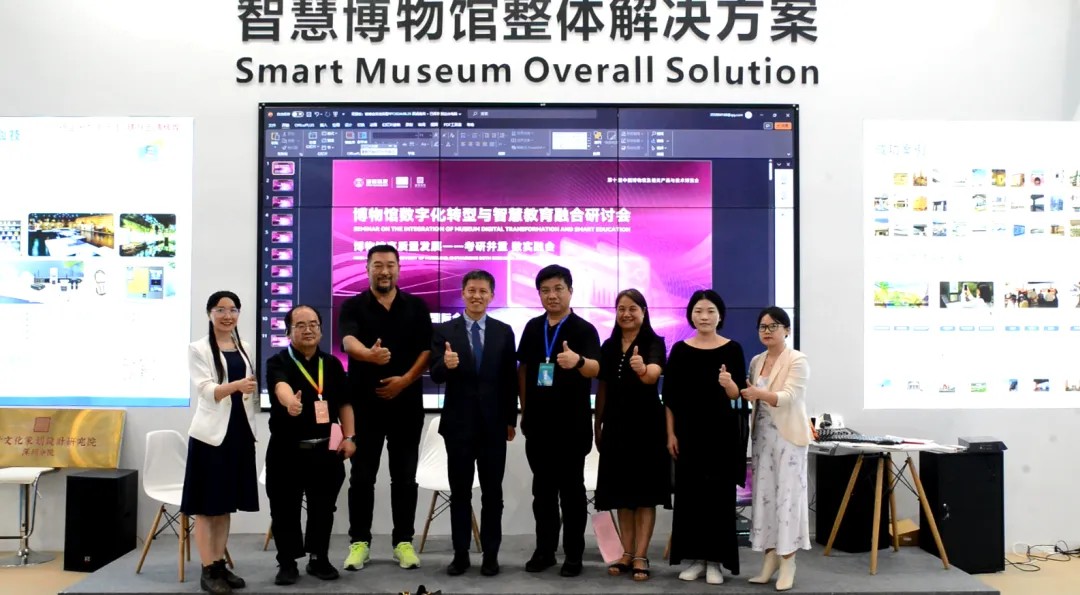
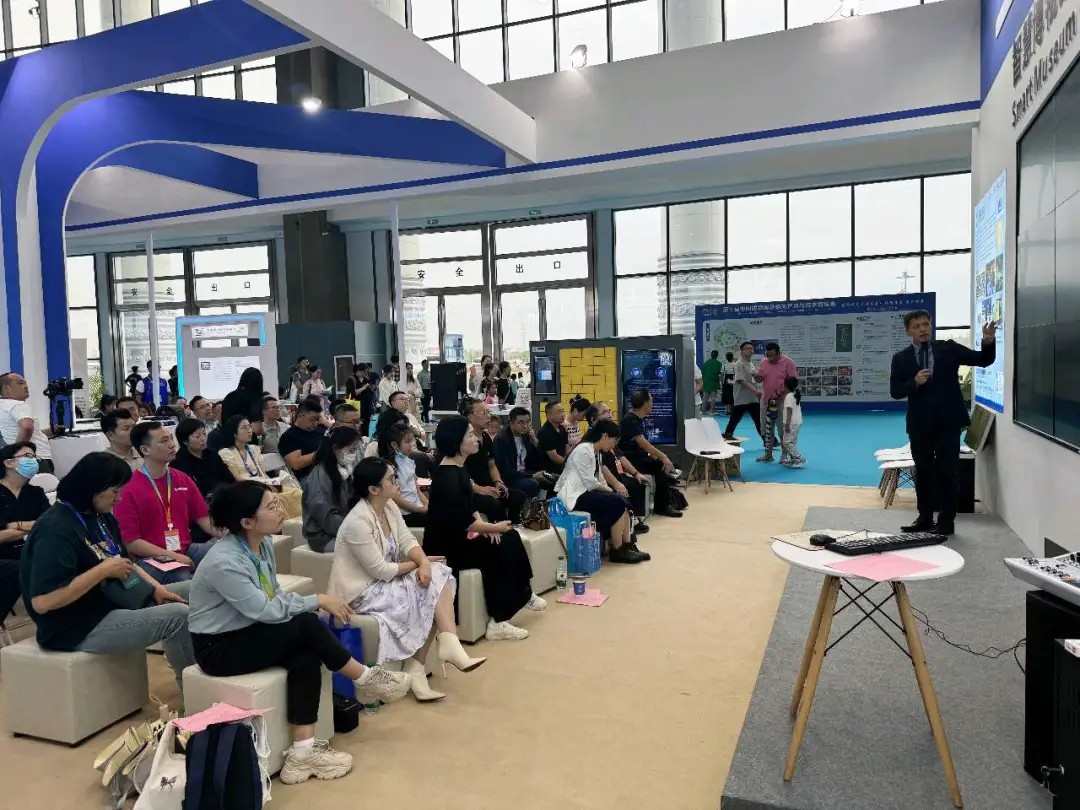
The theme of this forum is "High-Quality Development of Museums - Emphasizing Both Research and Education, Integrating Digital and Real". It focuses on exploring new paths for the digital development of museums and the deep integration of smart education. This event aims to bring together experts and scholars from the museum, education, and technology fields to discuss how to use digital technology to promote the innovative transformation of museum educational resources, as well as the application and practice of smart education concepts in museum education. Renowned professors from Peking University, Anhui Museum, and high-tech enterprises, along with museum directors and corporate experts, will jointly discuss the digital and intelligent transformation of museums and the integrated innovation of education!
The meeting conducted in-depth exchanges and discussions on the current status, challenges, and opportunities of museum digital transformation, the latest achievements and trends in smart education, as well as strategies and cases for integrating the two, aiming to promote the upgrading and expansion of museum educational functions and provide the public with richer, more convenient, and more efficient learning experiences.
/ Event Background /
Against the policy backdrop of the nation actively promoting the prosperity and development of cultural undertakings and cultural industries, the digital transformation of museums has become a global trend and an important path for the high-quality development of museums. Meanwhile, in the field of education, smart education is gradually emerging, innovating educational models through digital technology. With the growing public demand for cultural education and information technology, the integration of museum digital transformation and smart education holds immense market potential and development space. This seminar aims to explore new models and new pathways for their integration.
Seminar: Discussing the Path to High-Quality Development
Famous experts and scholars from across the country gathered together to conduct in-depth discussions around the theme of "High-Quality Development of Museums—Equal Emphasis on Research and Education, Integration of Digital and Real". They not only shared their cutting-edge perspectives and practical experiences in the integration of museum digital transformation and smart education, but also engaged in extensive exchanges on how to leverage modern information technology to promote the innovative transformation of museum educational resources.
Next, we will review the wonderful speeches of the experts and jointly explore new paths for the high-quality development of museums.
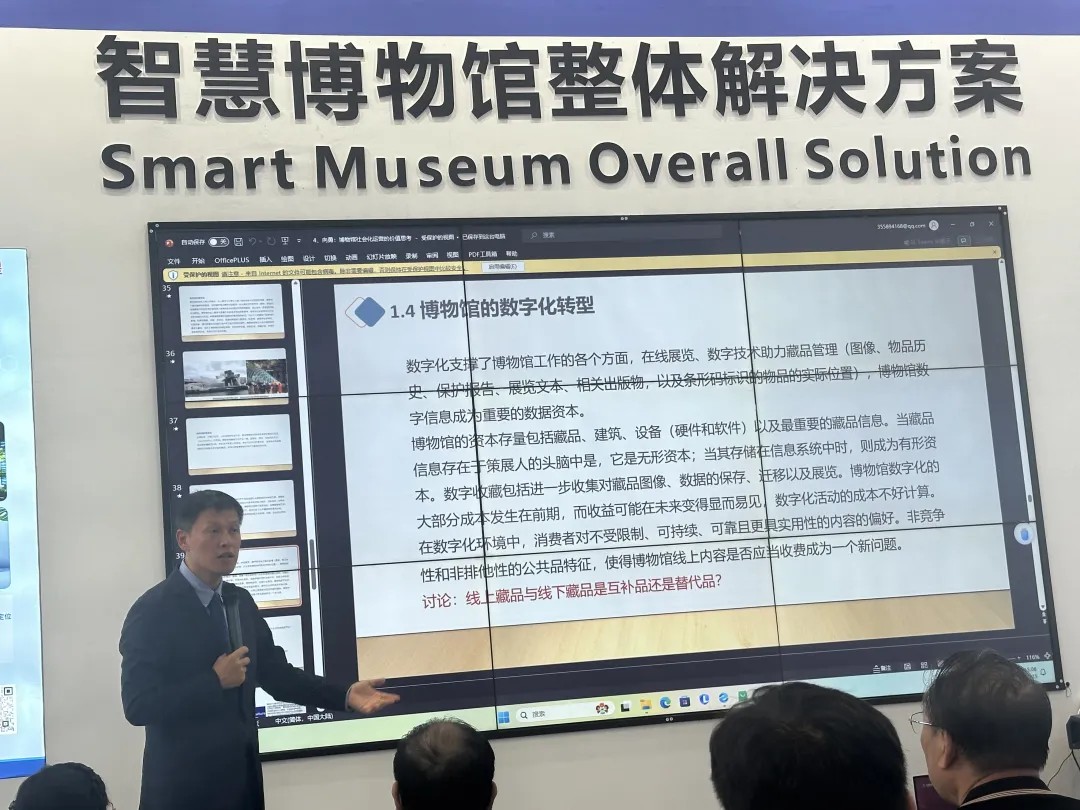
"Reflections on the Value of Museum Social Operation"
In his speech, Professor Xiang Yong emphasized that digital technology has become an indispensable part of museum work, permeating all levels of museums. Online exhibitions, the application of digital technology in collection management (including image processing, object history records, conservation report compilation, exhibition text writing, publication of related materials, and tracking of objects' actual locations under barcode identification) play a significant role.
The professor pointed out that the digital information accumulated by museums is not only a valuable data asset but also a key factor in driving the digital transformation of museums. This transformation trend is irreversible and crucial for museums.
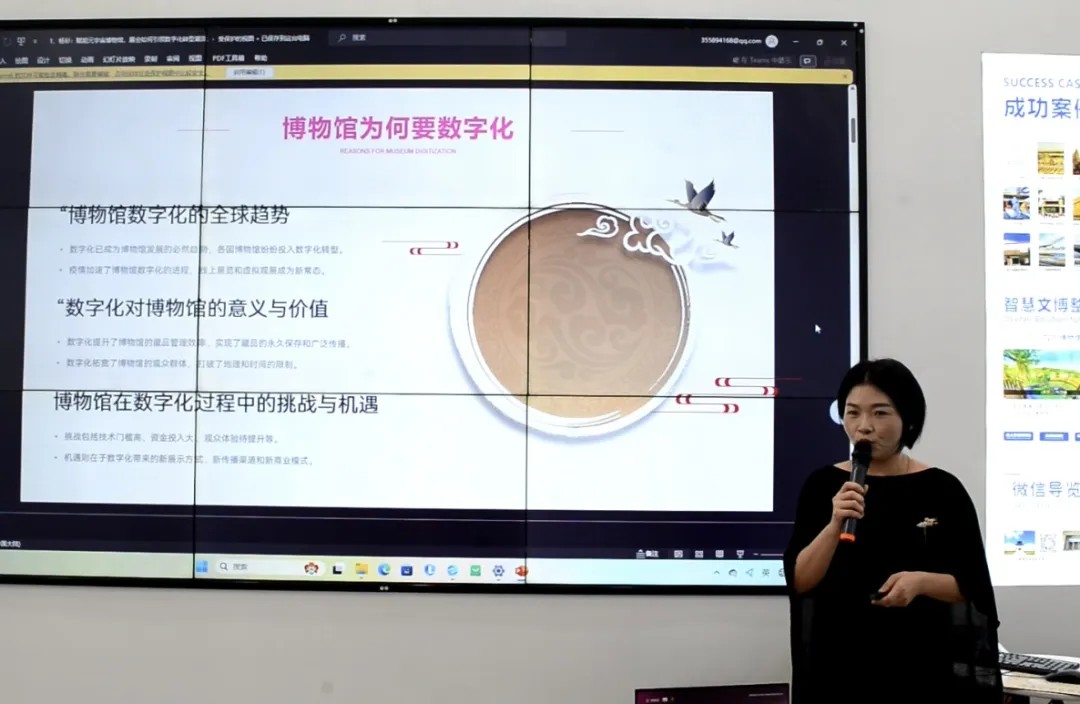
"Empowering Metaverse Museums: How Exhibitions Lead the Trend of Digital Transformation"
General Manager Yang Cai believes that the exhibition provides museums with opportunities to access new technologies and concepts. By participating in the exhibition, museums can promptly understand and master the latest digital technologies and concepts, providing strong technical support and innovative ideas for their digital transformation. The exhibition also helps museums expand their international perspective and promote cultural exchange and cooperation.
International exhibitions provide museums with a platform to communicate with international peers, enabling them to understand the latest trends and developments in museum digitalization worldwide. Through the exhibition, museums can also establish cooperative relationships with international museums and cultural institutions, jointly promoting the digital preservation and inheritance of cultural heritage.
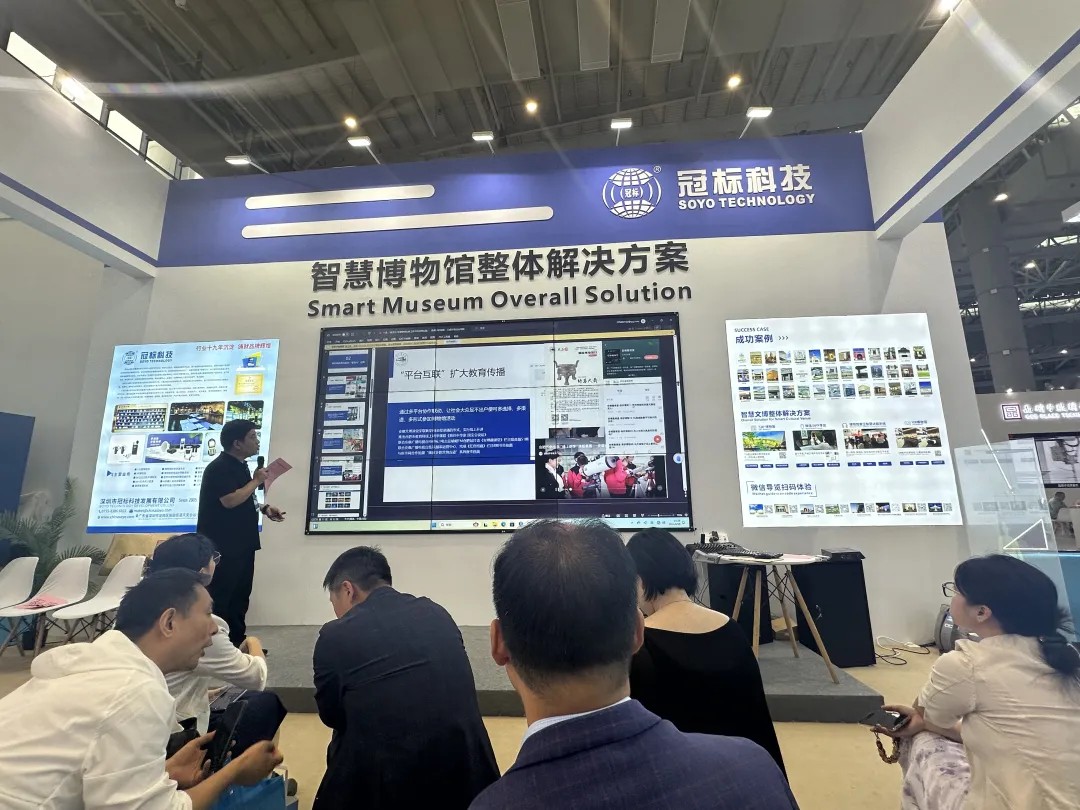
"Application and Practice of Digitalization in Museum Social Education"
Taking Anhui Museum as an example, Deputy Director Bian Jian introduced how smart museum education utilizes modern information technologies such as AR/VR, big data, cloud computing, the Internet of Things, and artificial intelligence to systematically conceptualize, intelligently manage, and innovatively integrate museum educational resources. These technologies provide each visitor with personalized participation and intelligent educational experiences, enhance the interactivity of exhibitions, and help visitors understand the history behind the exhibits from multiple dimensions.
Through the personalized educational services of the smart museum, appropriate learning materials and methods are provided according to the audience's learning habits and cognitive levels, thereby improving learning outcomes. In addition, by analyzing audience needs, the museum can allocate educational resources more effectively and improve the efficiency of resource utilization. Smart museum education leverages its technological advantages to provide dynamic and timely educational content and services, adjusting and updating educational content in real time based on audience behavior and preferences to meet the personalized needs of different audiences.
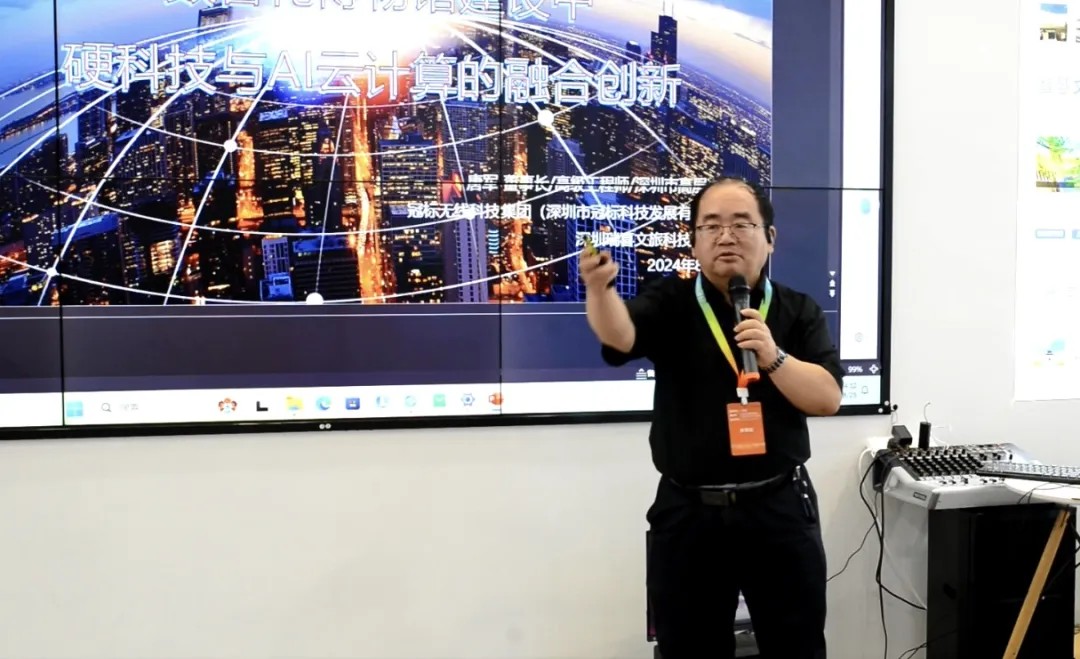
"The Integration and Innovation of Hard Technology and AI Cloud Computing in the Construction of Digital Intelligent Museums"
In his speech, President Tang introduced how Guanbiao integrates hard technology and AI cloud computing in the construction of digital intelligent museums, achieving automatic data collection and multi-platform integration into a unified large platform for museums, transforming data from manual input to automatic collection. The speech emphasized that only when museum data is basically automatically generated or automatically connected and transferred can museum big data become a reliable long-term asset.
The Guanzhi Digital Museum focuses on museum security, visitor services, internal process management, and cloud platform construction, providing a one-stop solution from offline intelligent hardware and embedded software to online cloud platforms and mobile apps, helping museums truly achieve digitalization and innovate in big data management and sharing.

President Qu introduced how to create a high-quality curriculum system by exploring distinctive resources. She suggested relying on the rich collection resources of museums, refining educational resources with unique characteristics, and designing personalized and differentiated curriculum plans for different age groups and audiences.
At the same time, she advocated for interdisciplinary integration, incorporating science, technology, engineering, and mathematics (STEM) into museum education to cultivate learners' innovative thinking and practical abilities. Utilizing digital technology to develop online courses, virtual exhibitions, and other online forms, combined with offline physical exhibitions, carry out interactive and experiential teaching activities to enrich the form and content of the curriculum.
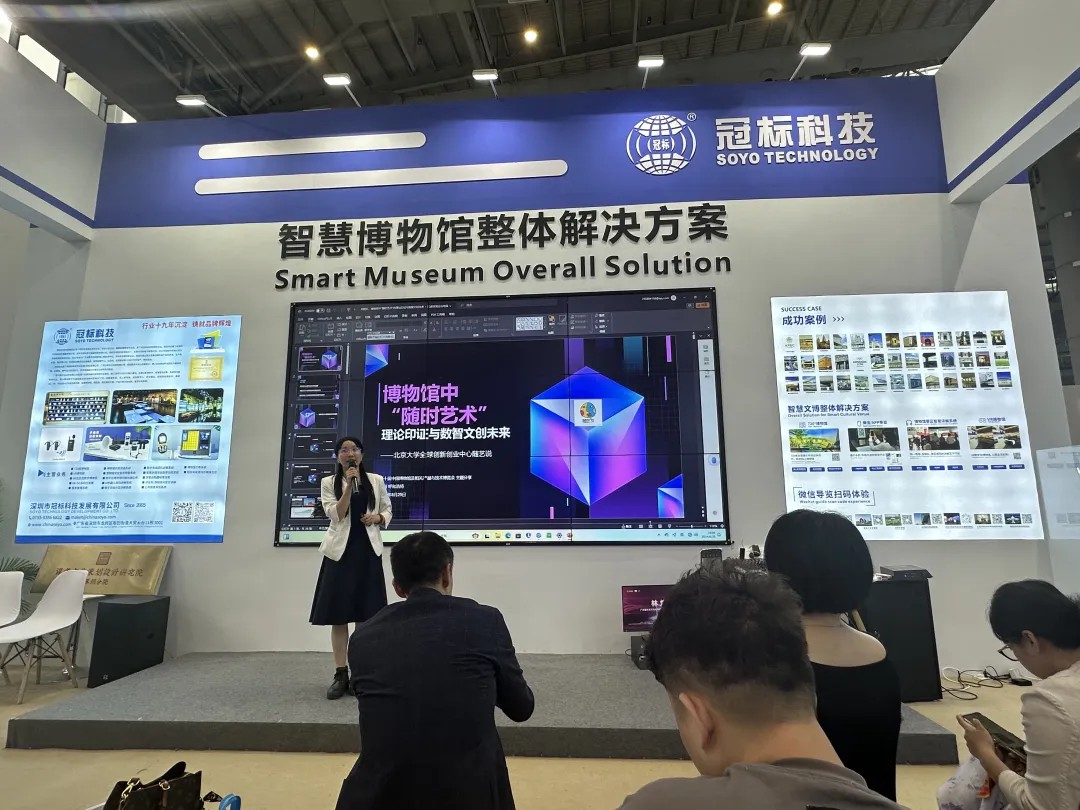
"Theoretical Validation of 'Art at Any Time' in Museums and the Future of Digital Cultural Creativity"
In her speech, Ms. Peng Yingqian mentioned that with the further integrated development of mobile internet and digital cultural creativity, the mindset that "everyone is an artist" is increasingly taking root in people's hearts. This mindset is essentially another extension and manifestation of China's "concept of art travel" under modern technological conditions, and it is profoundly influencing contemporary people's tourism concepts and value orientations.
She further elaborated on the concept of "art empowerment" within the museum system, which involves deep cultural excavation of cultural relics or creative subjects through various art forms, and artistic re-creation based on existing foundations. This process not only enriches the connotation of cultural relics but also presents cultural heritage to the public in a brand-new way, enhancing the audience's sense of participation and experience.
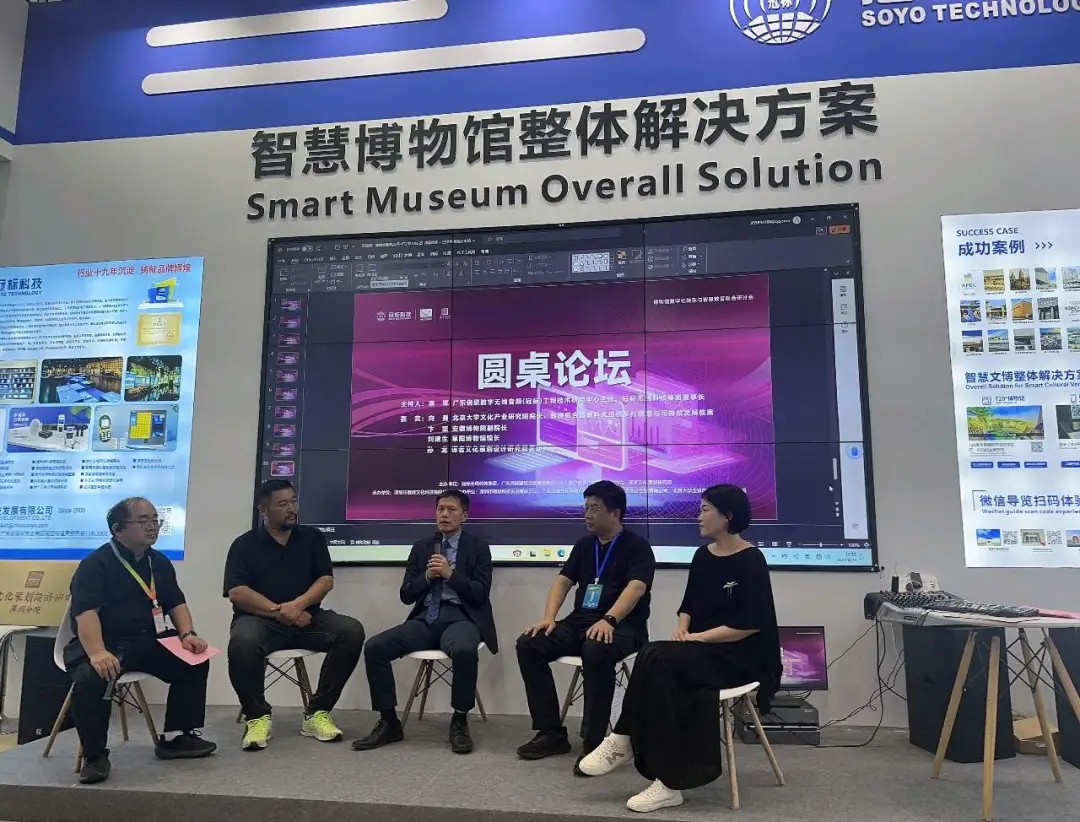
After the seminar, a wonderful roundtable forum kicked off. Experts engaged in lively discussions on how to balance tradition and modernity, and how to leverage new technologies to enhance exhibition effectiveness. They delved into how digital technology can better serve the social education function of museums, and how to promote the modernization transformation of museum education through the concept of smart education. The experts shared their insights and practical experiences from different fields, jointly contributing ideas and suggestions for the future blueprint of high-quality development of museums.
Signing Ceremony: Opening a New Chapter
Mr. Sun Long, the initiator of the Mouser Culture Planning and Design Research Institute, extended a warm welcome to all experts and leaders present, wished the event a complete success, and announced on-site the cooperation with Guanbiao Wireless Technology Group to establish the Shenzhen Branch.
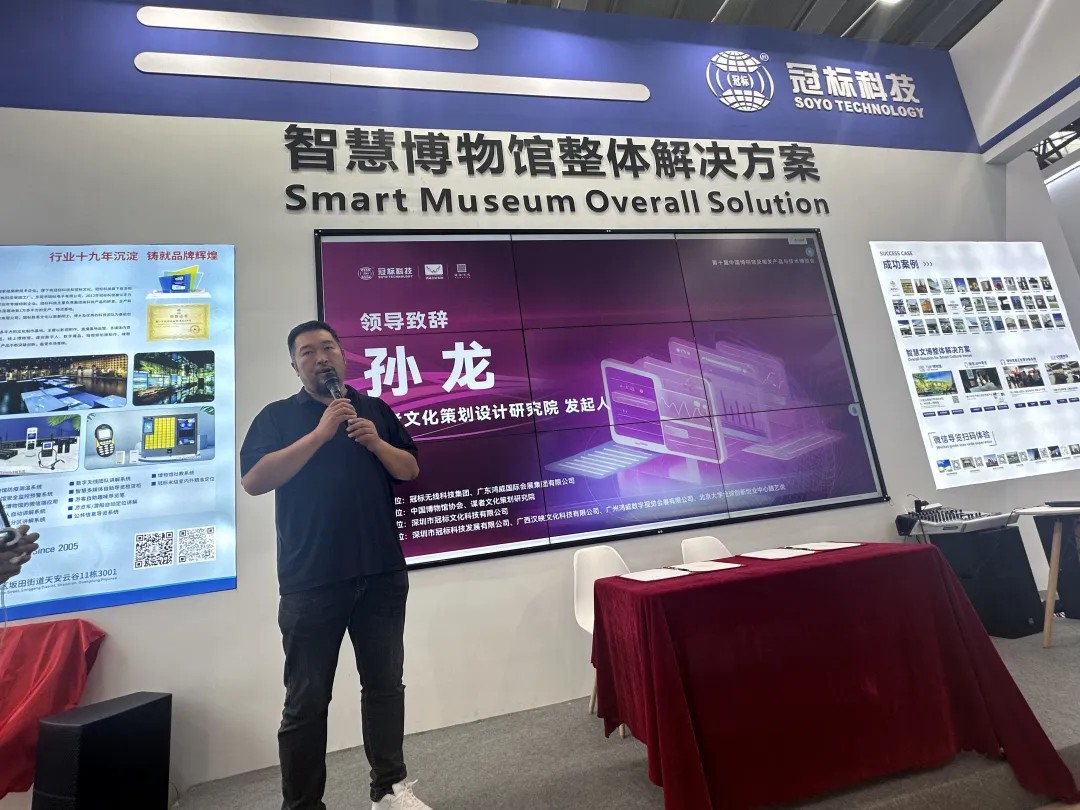
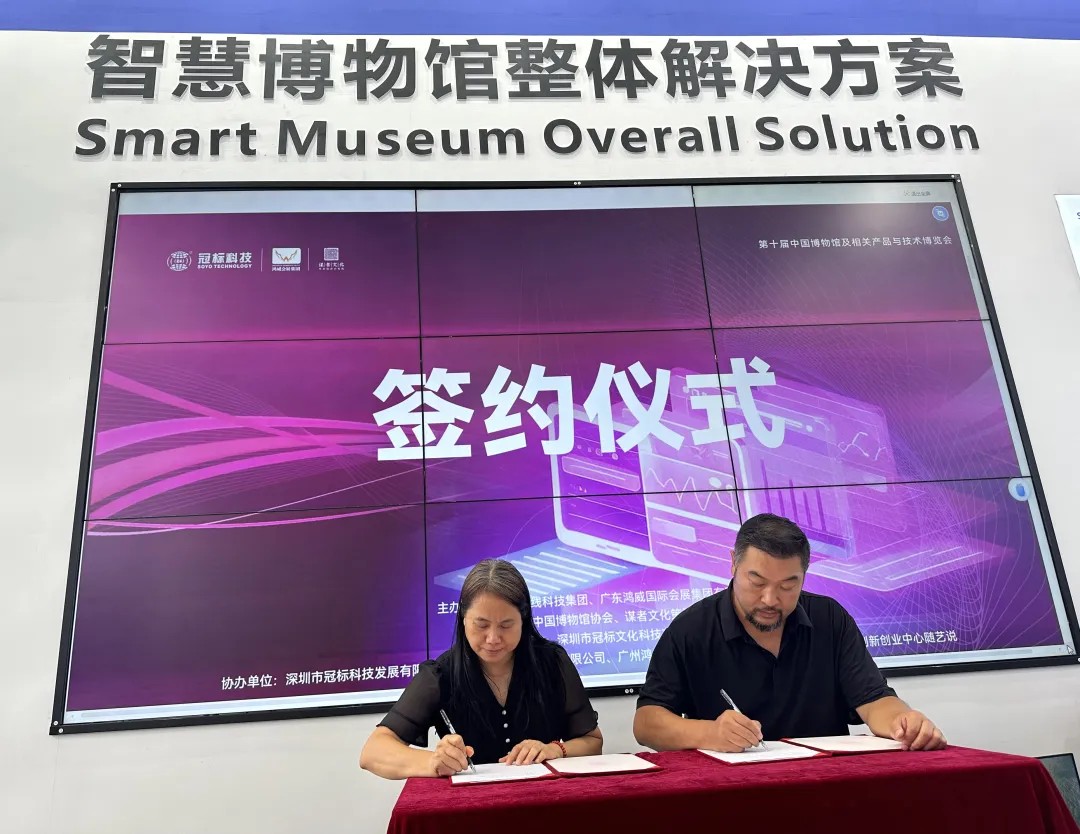
As an enterprise that has been deeply engaged in the museum industry for nearly two decades, Guobiao Technology has always been committed to introducing cutting-edge technologies and innovative products to the museum exhibition industry. As a cultural brand under Guobiao Wireless Technology Group, Guobiao Culture, through the deep integration of technology and culture, has continuously broken through and innovated in the digital transformation of museums, bringing more surprises and development opportunities to the industry through virtual museum construction, digital collection management, smart guide systems, and cultural tourism + metaverse scenario solutions based on VR (Virtual Reality) and AR (Augmented Reality) technologies.
MouZhe Culture and Guantiao Technology have joined forces to establish a comprehensive platform integrating technology research and development, cultural research, and application, aiming to solve many pain points faced by museums during exhibitions, promote the deep integration of technology and culture, achieve a qualitative leap in the transformation and development of museums, and provide more innovative solutions and support for future digital museums.
Future Outlook: Creating Brilliant Achievements Together
This conference deepened the understanding among all participants, increased cooperation opportunities, and pointed out the direction for the future development of the museum industry. It was not only a successful academic exchange and business cooperation activity, but also an important step in promoting the digital transformation of the museum industry.